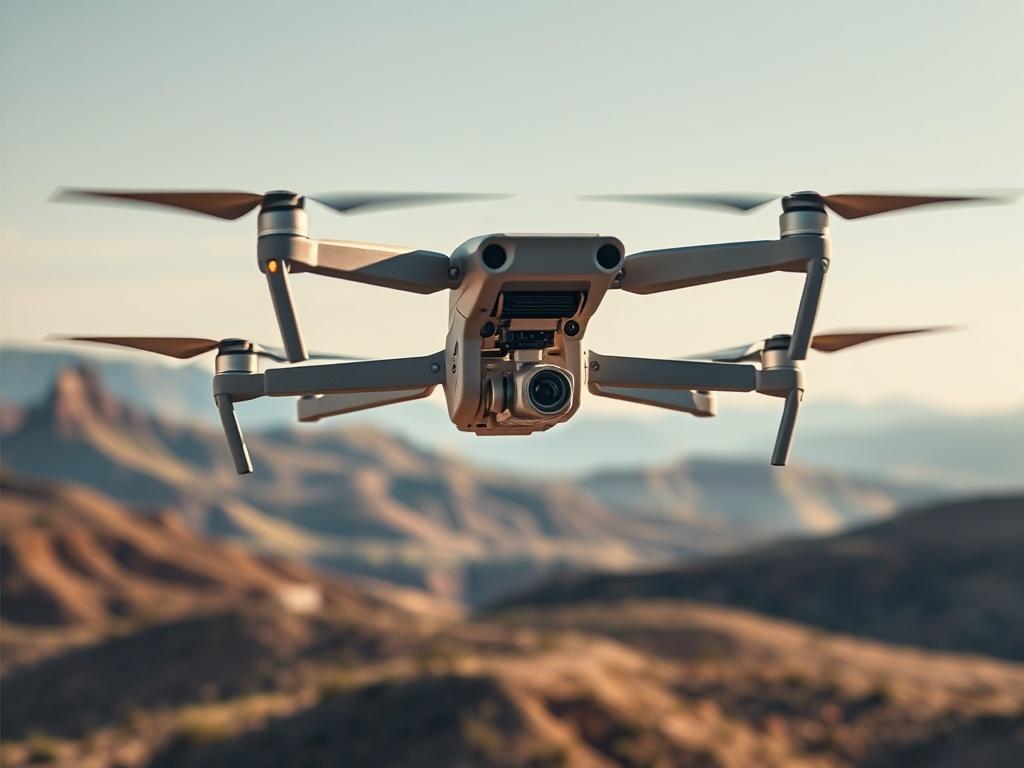
In an era where security challenges are becoming increasingly complex, countries around the world are turning to innovative technologies to enhance their border control efforts. Discover how drones improve border surveillance efforts by offering an unparalleled combination of mobility, aerial perspective, and data collection capabilities. These unmanned aerial vehicles (UAVs) not only provide a cost-effective solution for monitoring vast and often remote areas but also enable real-time surveillance that can quickly respond to potential threats.
As governments seek to bolster their security measures, cutting-edge drone technology emerges as a game changer in the fight against illegal border crossings and smuggling activities. Equipped with advanced sensors, high-resolution cameras, and sophisticated AI analytics, drones can identify and track suspicious activities with remarkable accuracy. This blog explores how drones revolutionize border surveillance capabilities, examines the latest advancements in drone technology that enhance monitoring efficiency, and highlights compelling real-world success stories showcasing drones in action for border security.
Discover how drones revolutionize border surveillance capabilities
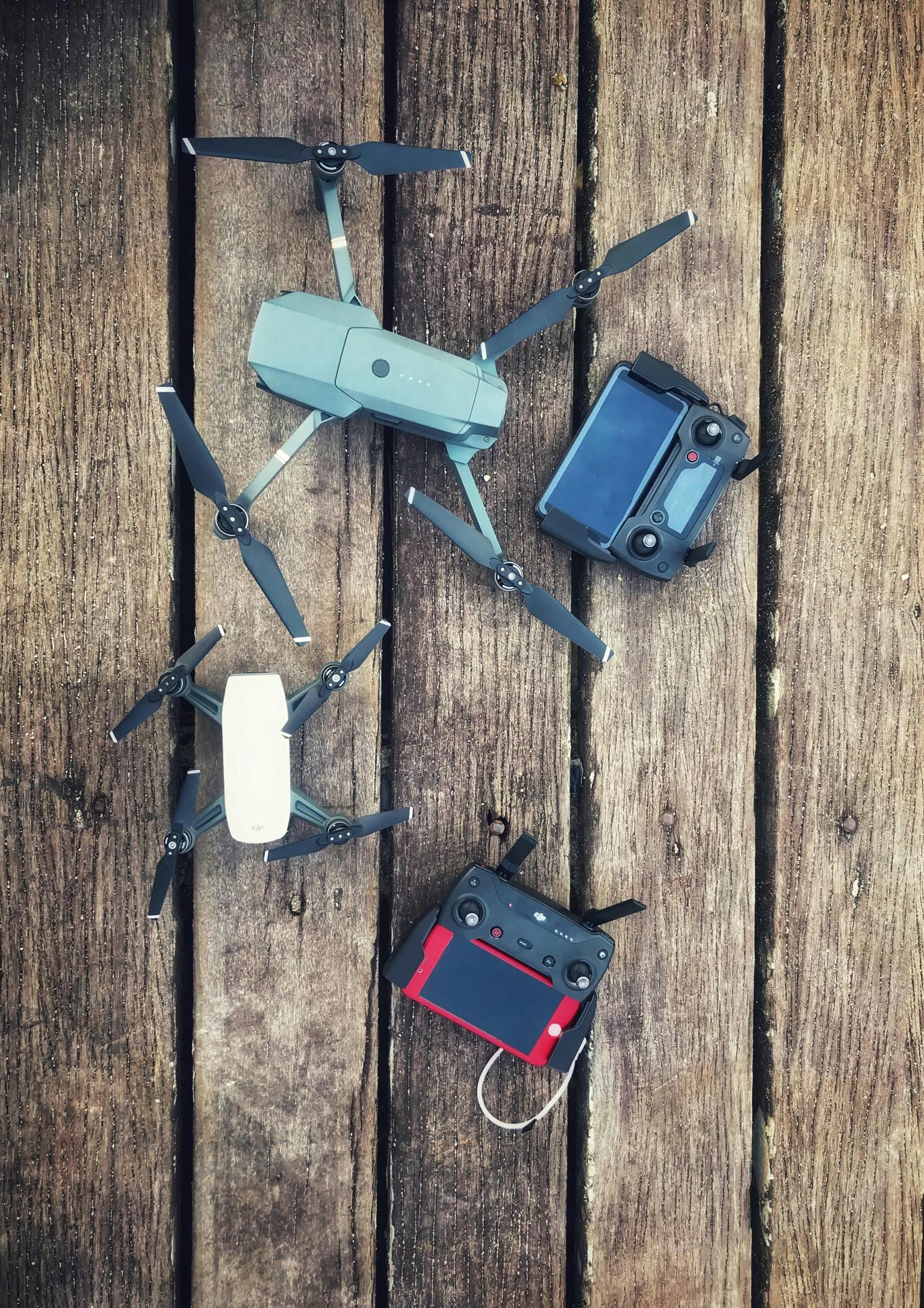
Drones are transforming the landscape of border security by providing unprecedented surveillance capabilities. Equipped with high-resolution cameras and advanced sensors, drones can cover expansive areas quickly and efficiently, far surpassing traditional ground patrols or fixed surveillance installations. Their ability to fly at varying altitudes allows for comprehensive aerial views, enabling border security agencies to monitor sensitive zones in real time. This aerial perspective not only enhances situational awareness but also allows for quick identification of unauthorized crossings, smuggling activities, or other security threats.
Moreover, the integration of artificial intelligence (AI) and machine learning into drone technology further amplifies their effectiveness. These intelligent systems can analyze data captured from the skies, identifying patterns and anomalies that require immediate attention. For instance, drones can distinguish between human movements and natural wildlife, reducing false alarms and focusing resources on genuine threats. By automating routine surveillance tasks, drones free up human personnel for more strategic operations, ensuring that border security forces can respond more rapidly and effectively to emerging challenges. This revolutionary shift in surveillance capabilities redefines border security, making it smarter, more efficient, and highly responsive.
Cutting-edge drone technology enhancing monitoring efficiency at borders
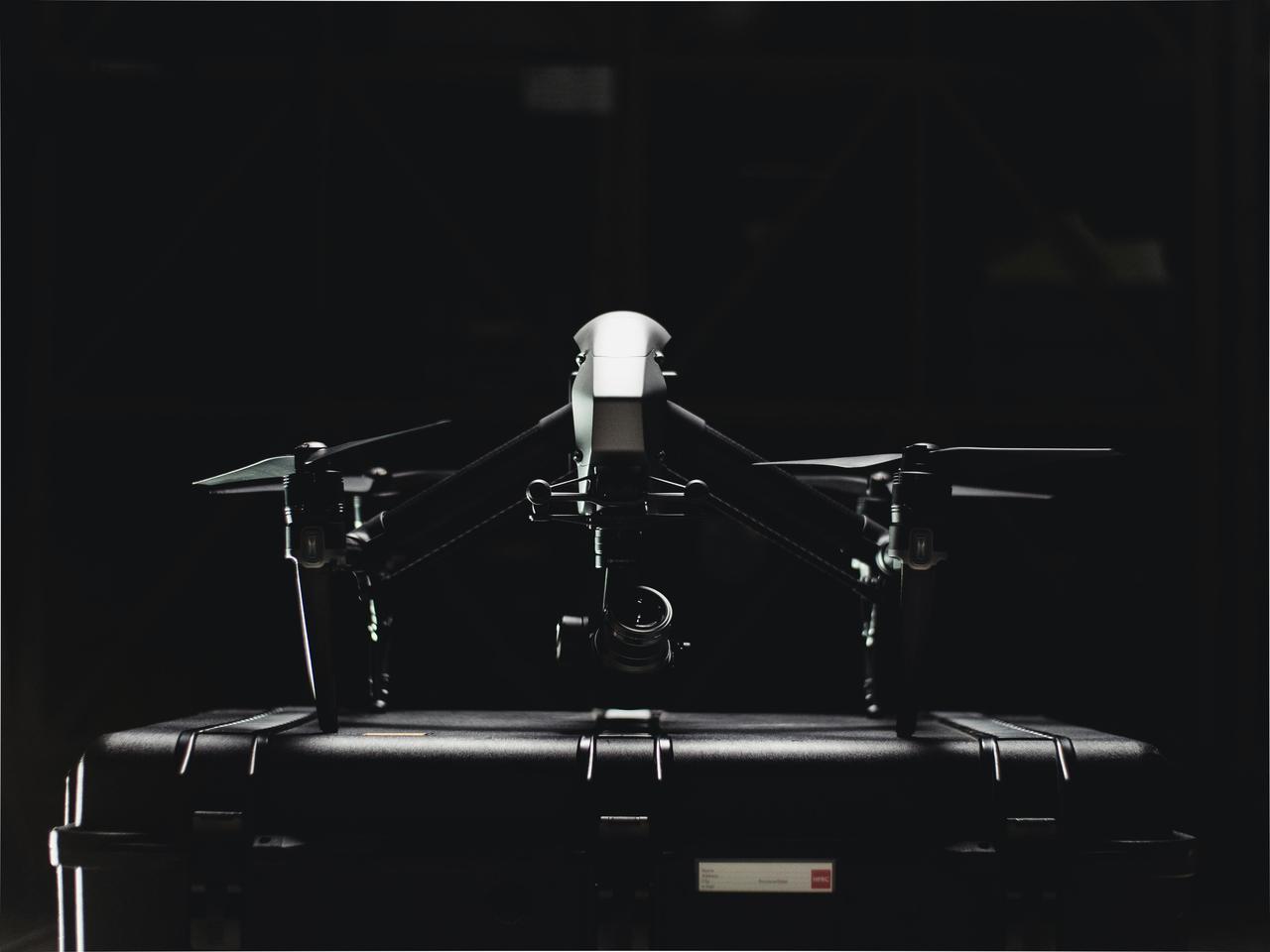
Drone technology has emerged as a game changer in border surveillance, significantly improving the efficiency and effectiveness of monitoring efforts. Equipped with high-resolution cameras and advanced sensors, modern drones provide real-time data that helps border security agencies detect unauthorized crossings, track suspicious activity, and monitor vast stretches of land with minimal personnel required. Drones can cover areas that are difficult to access by traditional means, offering unparalleled flexibility and agility in surveillance operations. Their ability to operate in diverse weather conditions and at various times throughout the day further enhances their utility, making them indispensable tools in modern border security protocols.
Additionally, drones integrate seamlessly with existing surveillance systems, enabling a more coordinated approach to border management. By utilizing machine learning algorithms, drones can analyze patterns and behaviors, allowing agencies to predict potential security threats before they escalate. This proactive stance not only enhances response times but also helps allocate resources more effectively, ensuring that border security personnel focus their efforts where they are needed most. As technology continues to evolve, the ongoing enhancement of drone capabilities promises to further bolster border security measures, ultimately leading to safer and more secure national borders.
Real-world success stories: Drones in action for border security
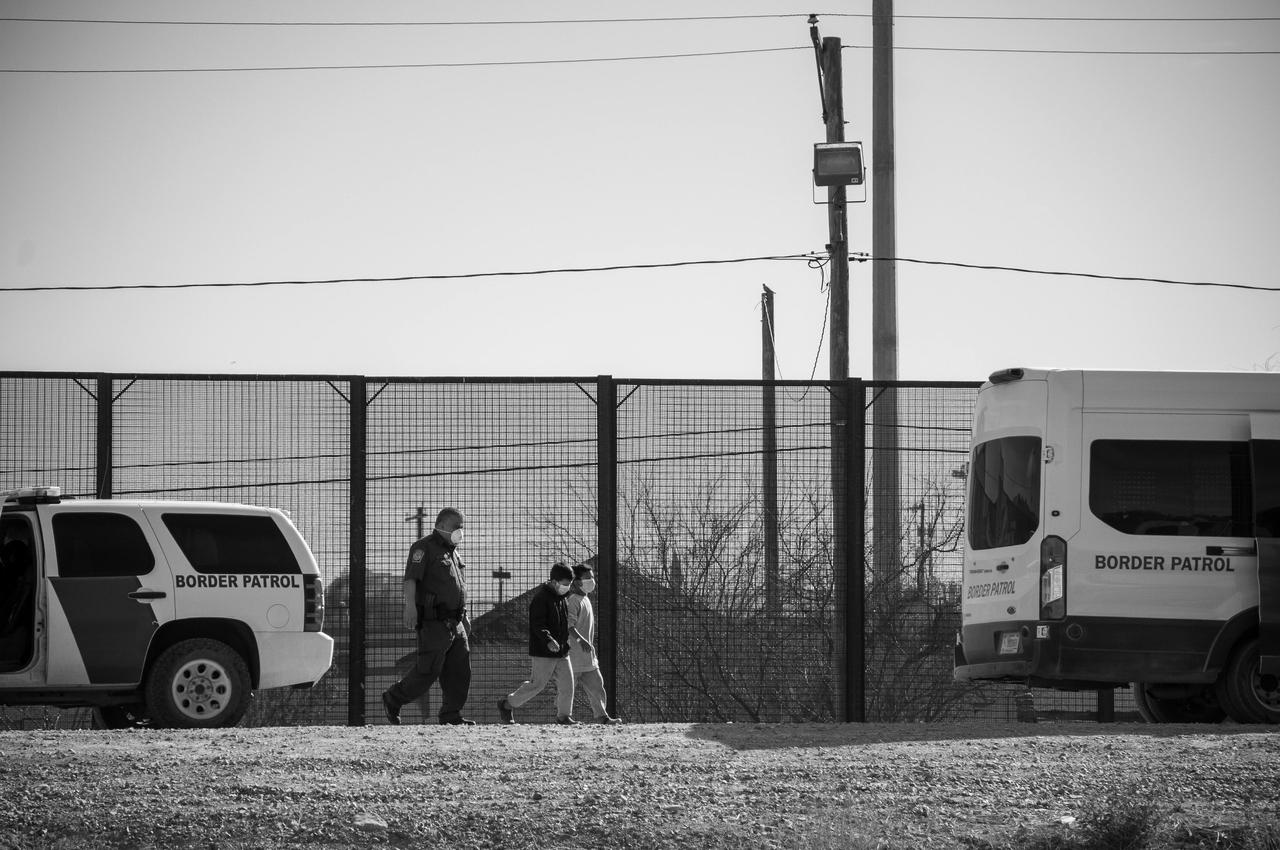
Across the globe, various countries have successfully integrated drone technology into their border security operations, resulting in enhanced surveillance and increased efficiency. For instance, the U.S. Customs and Border Protection (CBP) agency employs drones equipped with advanced cameras and sensors to patrol vast stretches of the U.S.-Mexico border. These UAVs provide real-time aerial imagery and thermal imaging, allowing agents to track border crossings more effectively. In 2020, drone usage reportedly led to the apprehension of hundreds of individuals attempting illegal crossings, showcasing the direct impact drones have on improving safety and security.
Similarly, Canada has utilized drones in remote areas to monitor traffic and illegal activities at its northern border. The Canadian government implemented a program that deploys drones in challenging terrains where traditional monitoring is difficult. These drones can cover large distances quickly and provide crucial information to border patrol officers. Success stories from these initiatives highlight how drone technology not only enhances surveillance efforts but also enables agencies to allocate resources more strategically, leading to a more secure border environment. As these real-world applications demonstrate, drones are becoming indispensable tools in the fight against illegal immigration and border-related crime.